



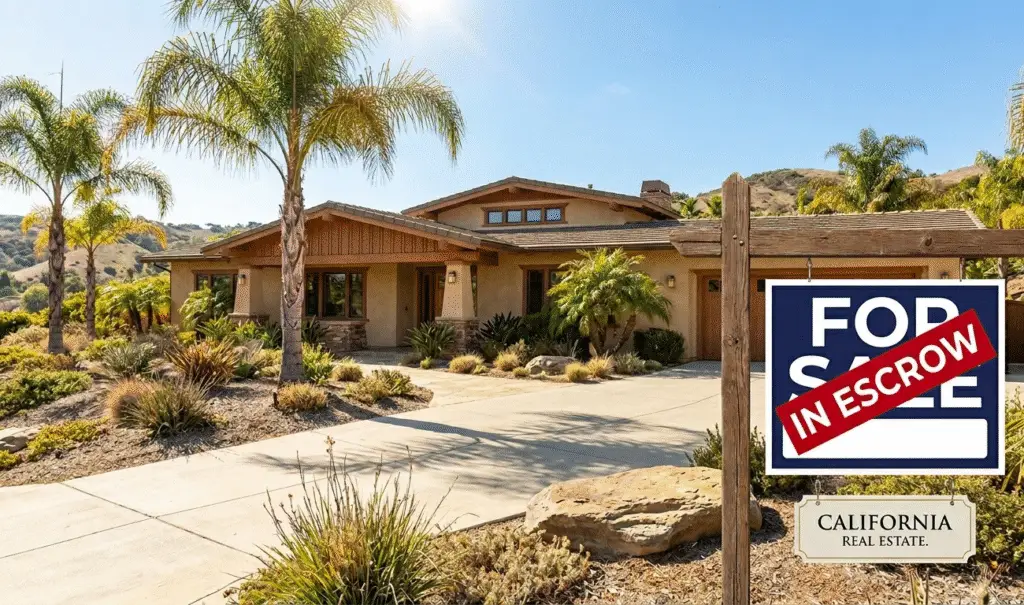
If you have ever purchased or sold a home in California, you have likely encountered the term escrow. But what is escrow, exactly, and why is it such a central part of California real estate transactions? Understanding what escrow means, how it functions, and who oversees it can help buyers, sellers, and investors navigate the property transfer process with greater confidence.
What Is Escrow?
At its core, escrow is a neutral, third-party arrangement in which funds, documents, and instructions are held by an independent party until all conditions of a real estate contract have been fulfilled. When both the buyer and the seller have met every agreed-upon requirement, the escrow officer releases the funds and transfers ownership of the property. The term ‘escrow’ can refer to both the account where assets are held and the entire process surrounding it.
In California, escrow is governed by the California Escrow Law under Financial Code Sections 17000-17655, as well as federal regulations including the Real Estate Settlement Procedures Act (RESPA), codified at 12 U.S.C. § 2601 et seq. RESPA establishes rules that protect consumers in residential real estate transactions, prohibiting kickbacks and requiring clear disclosure of settlement costs.
Why Is Escrow Required in California?
California has one of the most regulated escrow systems in the United States. State law generally requires the use of a licensed escrow company or title company to protect all parties in residential transactions. This requirement exists to protect all parties involved. Without a neutral third party managing the exchange of funds and documents, either the buyer or seller could be exposed to significant financial and legal risk. Escrow ensures that no money changes hands and no title transfers until every contractual condition has been satisfied.
For example, a buyer may need to secure financing, conduct inspections, and review title reports before proceeding. The seller, meanwhile, may need to complete agreed-upon repairs or resolve outstanding liens. Escrow holds everything in trust while these conditions are addressed.
Who Manages Escrow in California?
In California, escrow services are provided by licensed escrow companies, banks, savings associations, title insurance companies, attorneys, or real estate brokers under specific circumstances. Independent escrow companies must be licensed by the California Department of Financial Protection and Innovation (DFPI) under the California Escrow Law. Title companies that provide escrow services are regulated separately.
The escrow officer, sometimes called an escrow agent, is the individual professional responsible for managing the day-to-day details of the escrow process. They prepare escrow instructions, coordinate with lenders, receive and disburse funds, and ensure that all documents are properly executed and recorded.
How the Escrow Process Works Step by Step
Once a purchase agreement is signed by both parties, escrow is opened. The buyer deposits earnest money, typically 3% of the purchase price, into the escrow account. From this point forward, the escrow officer manages several parallel tasks.
A title search is ordered to verify the seller’s ownership and identify any liens, judgments, or encumbrances on the property. The buyer’s lender submits loan documents for review and funding. The escrow officer coordinates with both parties to satisfy all contingencies outlined in the purchase contract.
Once all conditions are met and funds are confirmed, the escrow officer schedules the signing of final documents. After both parties sign, the deed is recorded with the county recorder’s office, and escrow closes. The seller receives their net proceeds, the buyer receives the keys, and ownership officially transfers.
Escrow Fees and Costs in California
Escrow fees in California vary by county and by the complexity of the transaction, but they are typically split between buyer and seller unless otherwise negotiated. Fees are generally based on a sliding scale tied to the purchase price of the property. Additional charges may apply for loan tie-ins with your lender, notary services, and document preparation.
Under RESPA, buyers have the right to receive a Loan Estimate within three business days of submitting a mortgage application and a Closing Disclosure at least three business days before closing. These documents itemize all settlement costs, including escrow fees, giving buyers the transparency they need to compare costs and prepare financially.
Common Misconceptions About What Escrow Is
Many people confuse escrow with title insurance or with the mortgage process itself. Escrow is distinct from all of these. It is specifically the holding and disbursement mechanism that coordinates the final exchange of value in a transaction. Title insurance, by contrast, protects against future claims on the property. The mortgage process is about financing. All three work together during a California real estate closing, but each serves a separate function.
Another common misconception is that escrow only applies to home purchases. In California, escrow is also used in commercial real estate transactions, business sales, and even some rental agreements involving large security deposits.
Why Escrow Protects You (Real-World Example)
Imagine you’re the buyer and you’ve put down a $50,000 deposit. During the inspection period, you discover major foundation issues the seller didn’t disclose.
Because your money is held safely in escrow by a neutral third party, the seller cannot simply keep it. Escrow protects your funds and gives you peace of mind knowing your money is secure until all conditions of the sale are properly resolved.
FAQs
What is escrow and who controls the funds?
Escrow is a neutral arrangement managed by a licensed third party who holds funds and documents until all conditions of a real estate contract are met. Neither the buyer nor the seller has direct access to the escrow account during the transaction. The escrow officer controls disbursement according to the written escrow instructions agreed upon by both parties.
Is escrow mandatory in California real estate transactions?
California law generally requires the use of an escrow arrangement in most residential real estate transactions. This requirement protects buyers and sellers by ensuring funds and title do not transfer until all agreed conditions are satisfied. Escrow companies operating independently must be licensed by the California DFPI.
How long does escrow typically last in California?
A standard escrow in California lasts between 30 and 45 days, though timelines can vary based on the complexity of the transaction, the buyer’s financing needs, and any contingencies in the purchase agreement. Cash transactions may close faster, while those involving complex title issues or extensive repairs may take longer.
For more information on escrow and title services, visit NESI.