


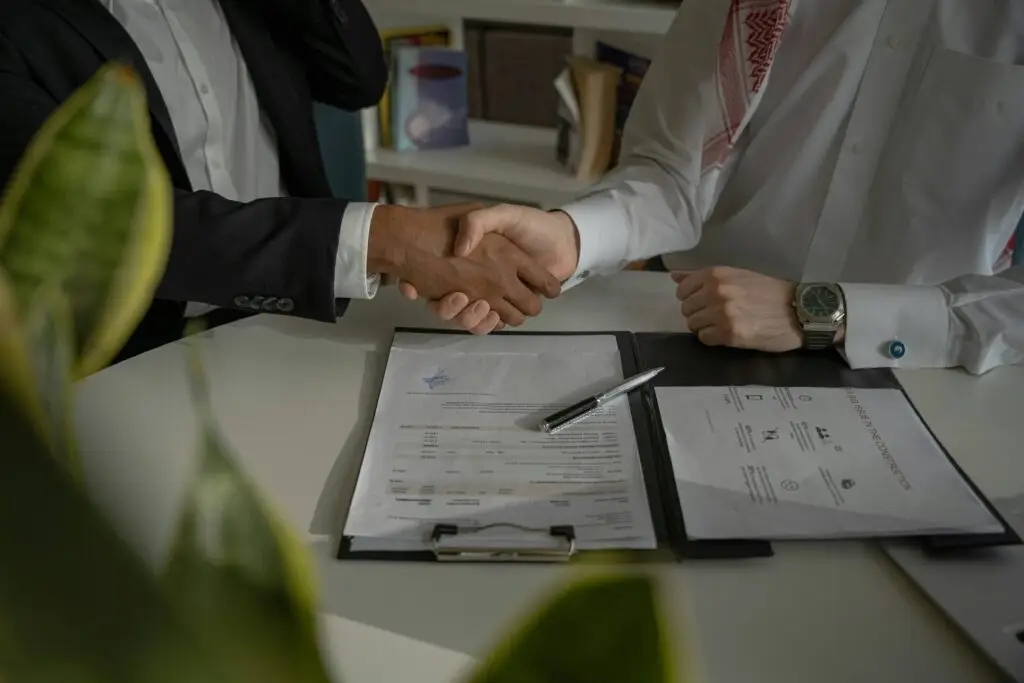
Closing on a home in California involves many moving parts. Between coordinating with your lender, escrow officer, title company, real estate agent, and the other party, it’s easy to feel overwhelmed. A clear California real estate closing checklist can help you stay organized and prepared at every stage.
Pre-Escrow Stage: Before You Open Escrow
Before escrow officially opens, confirm that the purchase agreement is fully executed with all required signatures and clearly noted deadlines. Have your proof of funds or loan pre-approval letter ready, and notify your chosen escrow company.
Buyers should also secure homeowner’s insurance early. Lenders require proof of coverage before funding, and having it in place helps avoid last-minute delays.
Opening Escrow Stage
Once escrow opens, the buyer deposits earnest money within the timeframe stated in the purchase agreement (typically three business days). The escrow officer sends instructions to both parties, and the title company orders the preliminary title report. The lender issues the Loan Estimate within three business days of the application, as required by RESPA.
Sellers should begin gathering documents such as recent mortgage statements, HOA information (if applicable), records of improvements or permits, and details about any existing leases.
Inspection & Disclosure Stage
During this stage, the buyer arranges property inspections, starting with the general home inspection. Buyers should carefully review all inspection reports and discuss any needed repairs or credits with their agent.
California law requires sellers to provide a Transfer Disclosure Statement, Natural Hazard Disclosure Report, and other required disclosures under Civil Code Sections 1102–1102.17. Buyers should review all disclosures thoroughly and acknowledge receipt in writing within the applicable contingency periods.
Financing, Appraisal & Title Review Stage
The lender orders an appraisal, which typically returns within 7–10 business days. If the appraisal meets or exceeds the purchase price, the transaction proceeds. If it comes in low, the buyer and seller will need to negotiate a resolution.
Buyers should respond quickly to any lender requests for additional documents, as delays are a common cause of extended escrow periods. Once the preliminary title report is received, the buyer, agent, and lender review it for any liens or issues. Once title search is clear and all contingencies are satisfied, the buyer removes contingencies in writing.
Final Preparation Stage
In the final days before closing, the escrow officer prepares the Closing Disclosure, which the buyer must receive at least three business days before closing under RESPA. Review this document carefully and confirm that all fees are within allowable tolerances of your Loan Estimate.
Arrange to wire your down payment and closing costs to the escrow account. Always verify wire instructions directly with your escrow officer by phone before sending funds. Complete your final walk through and sign all closing documents.
Closing Day & After Closing
On closing day, the escrow officer submits documents to the county recorder. Once the deed is recorded, the transaction is officially closed, keys are exchanged, and the seller receives their net proceeds.
After closing, retain copies of all closing documents including the deed, title insurance policies, and Closing Disclosure in a safe place.
FAQs
What documents should a buyer bring to the California real estate closing?
Buyers should bring a government-issued photo ID, confirmation of wire transfer or cashier’s check for any remaining funds, and any documents requested by the escrow officer or lender. It’s also helpful to have a copy of your homeowner’s insurance binder.
What is the California real estate closing checklist for sellers?
Sellers should complete all agreed-upon repairs, transfer utilities effective on the closing date, provide all keys and access codes, and confirm that their mortgage payoff has been coordinated with the escrow officer. Sellers should also have a forwarding address on file for any post-closing correspondence.
What documents will I receive at or after closing?
After closing, you will typically receive copies of the recorded deed, your title insurance policy, the Closing Disclosure, and any other documents related to the transaction. Your escrow officer will provide these to you, and it’s important to store them in a safe and accessible location for future reference.
For more information on escrow and title services, visit NESI.