


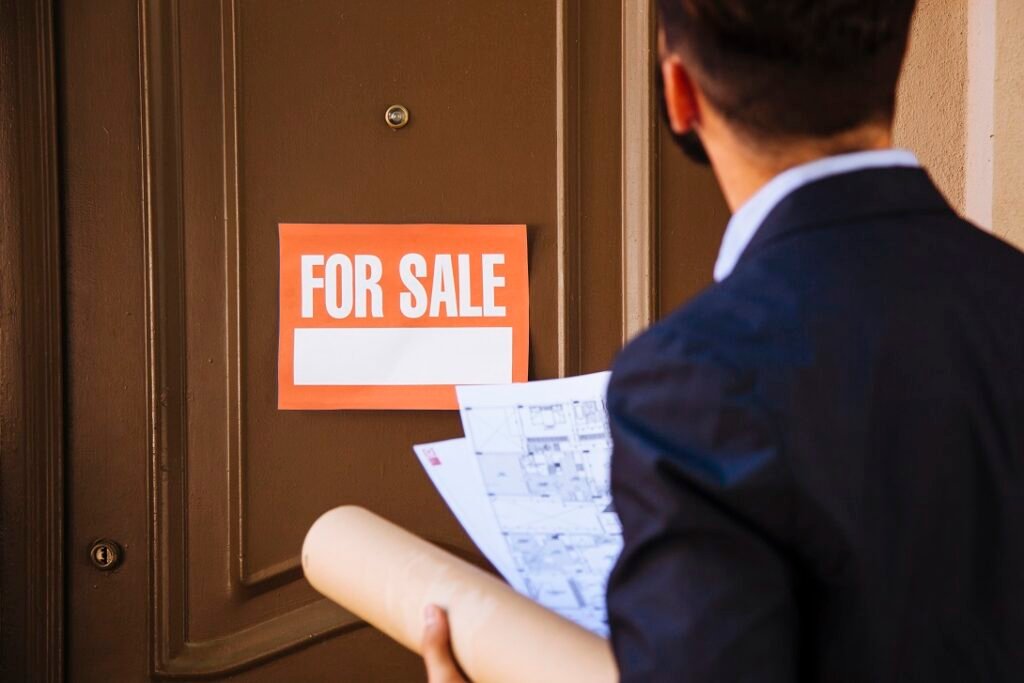
A probate sale occurs when real property is sold as part of the administration of a deceased person’s estate through the California court system. While the basic transaction looks similar to a regular home sale, a probate sale differs in several important ways. Understanding these differences helps buyers, heirs, and real estate professionals navigate the process more effectively.
What Makes a Sale a Probate Sale?
A probate sale occurs when a property owner passes away and the property does not automatically transfer through a trust, joint tenancy, or beneficiary designation. Instead, the property becomes part of the probate estate and must be sold or transferred under the oversight of the California Superior Court according to the California Probate Code.
The authority to sell the property rests with the court-appointed personal representative (either an executor named in a will or an administrator appointed by the court). This individual has a fiduciary duty to act in the best interest of the estate and to follow all applicable legal requirements.
Key Differences Between a Probate Sale and a Regular Sale
The most significant difference is court oversight. In a regular sale, buyers and sellers have wide latitude to negotiate price and terms. In a probate sale, the court may play an active role especially when the personal representative does not have full IAEA authority and must obtain court confirmation of the sale.
Pricing in court-confirmed probate sales is also subject to statutory guidelines. California law generally requires that the accepted price meet a minimum threshold based on the probate referee’s appraisal. Regular sales have no such requirement.
Another unique feature of many probate sales is the overbid process. In court-confirmed sales, a buyer with an accepted offer may face competing bids at the confirmation hearing. This element of uncertainty does not exist in conventional transactions.
Property Condition and ‘As-Is’ Sales
Probate properties are typically sold in “as-is” condition. The estate’s personal representative often has limited knowledge of the property’s history and condition, and the estate is generally not in a position to make repairs. While California law requires disclosure of known material defects, the scope of what is known may be narrower than in a typical owner-occupied sale.
Buyers should conduct thorough inspections and carefully consider the cost of any needed repairs when making an offer.
Timeline Differences
A typical California home sale closes in roughly 30 to 60 days. A probate sale, particularly one requiring court confirmation, often takes significantly longer. The court confirmation process adds time due to required notice periods, hearing schedules, and the possibility of overbidding.
Even probate sales conducted under full IAEA authority (which do not require court confirmation) may still take longer than conventional sales due to the overall estate administration process and the need for court-issued documents.
Financing Challenges in Probate Sales
Obtaining mortgage financing for a probate property can be more complex than for a conventional purchase. Lenders must account for the uncertainty of the probate timeline and the “as-is” nature of the property. Some buyers choose to make cash offers to simplify the process and strengthen their position.
If financing is used, the lender will require its own appraisal, which may differ from the probate referee’s appraisal. Working with a lender experienced in probate transactions is recommended.
Escrow and Title in Probate Sales
The escrow and title process in a probate sale requires specialized knowledge. The title company must review the probate court file, confirm that the personal representative has proper authority to convey title, and ensure that all court orders are properly recorded. This level of probate and estate coordination is essential to address potential hurdles, such as estate tax liens or creditor claims that must be addressed.
Working with an escrow and title search company experienced in California probate sales is strongly recommended to help avoid delays and errors.
FAQs
What should buyers know before making an offer on a probate property?
Buyers should understand that probate properties are typically sold “as is,” meaning the estate is generally not required to make repairs. They should also be prepared for a longer closing timeline, especially if court confirmation is required, and should conduct thorough inspections. It’s also important to work with professionals experienced in probate transactions.
What is the overbid process in a California probate sale?
In court-confirmed probate sales, after an offer is accepted, a court hearing is held. At the hearing, the court may open bidding to other interested parties who have posted the required deposit. A competing bidder must generally exceed the accepted offer by a statutory minimum amount. If a higher bid is accepted, the original buyer’s deposit is returned. There is no overbid process in probate sales conducted under full IAEA authority.
How does title insurance work in a probate sale?
Title insurance in a probate sale protects the buyer and lender against claims arising from defects in the estate’s title, challenges to the personal representative’s authority, missing or unknown heirs, and certain errors in the probate record. California title insurance companies are experienced in issuing probate title policies, though the underwriting process may be more involved than in a conventional transaction.
For more information on escrow and title services, visit NESI.